

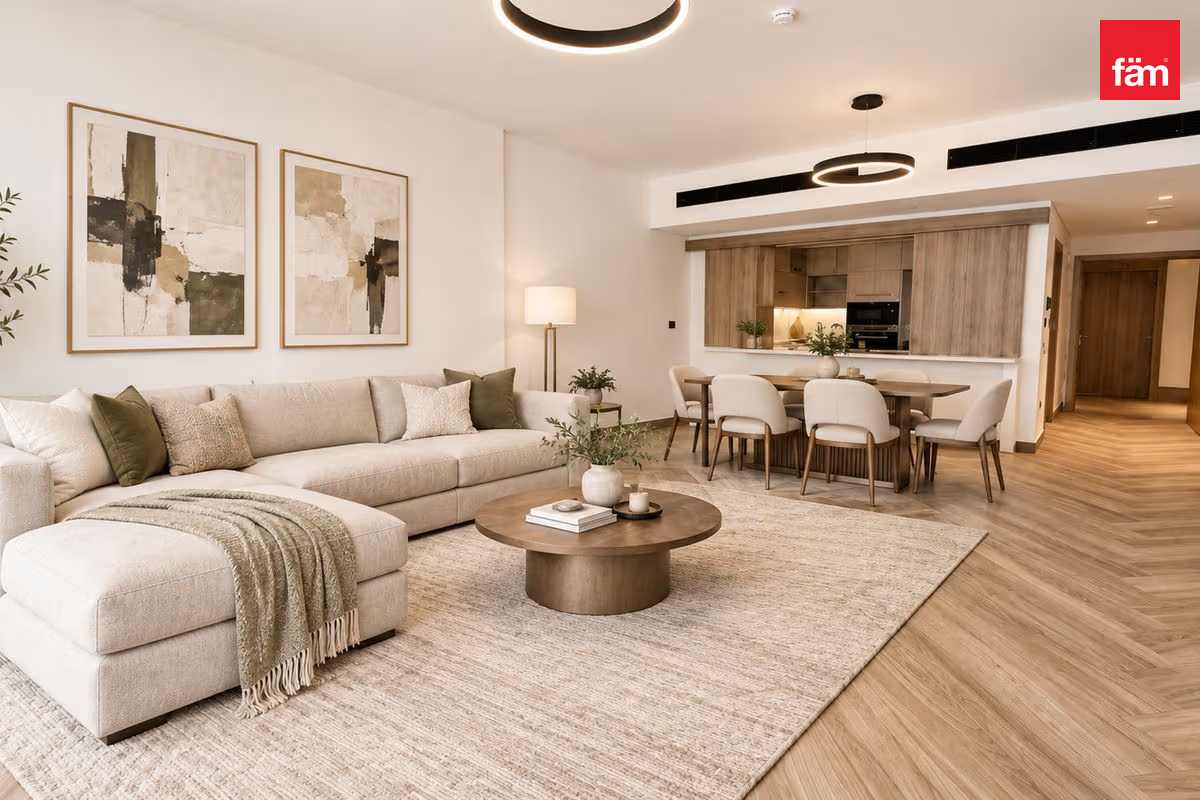
From Property Purchase to Dream Home: How Interior Design Impacts Dubai Real Estate Value
Buying a property in Dubai is only the first step towards creating a desirable home or a competitive rental investment. What happens inside the property can also influence how prospective tenants, buyers and residents perceive it.
From the layout of a living room to the quality of kitchen finishes, interior design plays an important role in shaping the experience of a property. For investors, the challenge is finding the right balance between visual appeal, functionality, durability and budget.
Rather than spending heavily on luxury finishes, a well-planned interior can focus on the features that matter most to the intended occupant.
1. Start With the Target Buyer or Tenant
Before choosing furniture, colours or finishes, consider who is most likely to live in the property.
A compact apartment intended for a young professional may benefit from practical storage, a flexible workspace and easy-to-maintain materials. A family-oriented apartment may need additional storage, durable flooring and a functional dining area.
A premium residence may call for more detailed lighting, carefully selected materials and custom joinery.
The key is to design for the target market rather than following trends without a clear purpose. A property should feel attractive to its intended audience while remaining practical for everyday use.
2. Make the Most of Every Square Foot
Space planning can make a significant difference, especially in smaller Dubai apartments.
A thoughtfully arranged room can feel more comfortable without requiring structural changes or expensive renovations. Furniture that suits the room’s proportions, built-in storage and clear walking paths can help make the available space more useful.
Consider these practical improvements:
Use vertical storage where floor space is limited.
Select appropriately sized furniture rather than oversized statement pieces.
Use mirrors and layered lighting to improve the sense of openness.
Keep circulation areas clear and ensure doors and cupboards can open comfortably.
Create flexible spaces that can accommodate working, relaxing or dining.
These changes can improve the day-to-day experience of living in a property and help prospective occupants understand how the space can meet their needs.
3. Choose Materials for Durability as Well as Appearance
Beautiful finishes can attract attention, but investment properties must also withstand regular use.
Kitchen worktops, cabinet hardware, bathroom fittings, flooring and wall finishes should be selected with maintenance and replacement costs in mind.
For example, a durable, easy-to-clean flooring material may be more suitable for a frequently rented apartment than a delicate finish requiring specialised care. Similarly, quality hinges and drawer runners can help reduce recurring maintenance problems in kitchens and wardrobes.
The goal is not necessarily to choose the most expensive materials. It is to select materials that provide an appropriate balance of appearance, durability, cost and ease of maintenance.
4. Use Lighting to Improve the Overall Experience
Lighting is often overlooked when preparing an investment property, yet it can influence how a space looks and feels.
A layered lighting plan combines general illumination with task lighting and selected accent lighting. In a kitchen, task lighting can improve usability. In a living room, softer lighting can create a more comfortable atmosphere.
Where practical, make good use of natural daylight through suitable window treatments and furniture placement.
Lighting decisions should also consider energy efficiency, maintenance and the activities performed in each room. A coherent lighting scheme can help a property feel more thoughtfully designed without requiring an extensive renovation.
5. Furnish Strategically Instead of Overspending
Furnishing can make a property easier to market to tenants seeking a move-in-ready home. However, the ideal furnishing budget depends on the location, target tenant, competing properties and expected rental income.
Before buying furniture, prepare a room-by-room plan and prioritise essential pieces. Select a consistent colour palette, invest in frequently used items and avoid filling rooms with unnecessary accessories.
For furnished rentals, consider the ongoing costs of cleaning, repairs, replacement and inventory management. For unfurnished properties, focus on permanent features and finishes that make the space attractive and easy to personalise.
A larger furnishing budget does not automatically translate into higher rental income. The objective is to create an appealing, functional property while protecting the investment’s overall economics.
6. Keep Design Decisions Aligned With the Investment Strategy
An owner planning to rent a property for several years may have different priorities from someone preparing it for resale.
Long-term landlords may value durable finishes and low maintenance requirements. Investors targeting premium tenants may consider a more distinctive design, provided the additional expense is justified by the target market.
Before approving any renovation, calculate the total cost, including design fees, materials, labour, furniture, contingency and potential vacancy during the work.
Then assess realistic rental comparisons and likely ongoing expenses. Interior improvements may strengthen a property’s appeal, but they do not guarantee a particular rental premium, resale price or return on investment.
For investors evaluating their options, exploring Dubai real estate opportunities can help provide context on available properties before deciding how much to invest in interior upgrades and furnishing.
By considering the property purchase and interior design strategy together, owners can make more informed decisions about where their money is best spent.
7. Work With Interior Designers Before Committing to Major Changes
Professional interior design can help property owners make informed decisions before work begins.
A clear brief, measured floor plan, material specifications, furniture layout and realistic visualisation can help identify issues before they become expensive changes on site.
For larger projects, coordination between the property owner, interior designer and execution team is especially important. Electrical points, lighting, plumbing, joinery and finishes should be considered together rather than as separate decisions.
Where a property is part of a building with management requirements, owners should also confirm the relevant approvals and restrictions before starting work.
An experienced design team can help translate an owner’s objectives into a practical plan, while a realistic budget and clear project scope help keep expectations aligned.
Conclusion: Design With a Purpose
A successful property investment is not just about purchasing the right unit. It is also about understanding the needs of its future occupants and making sensible decisions about the space.
Thoughtful layouts, durable materials, effective lighting and strategic furnishing can improve the functionality and presentation of a Dubai property. The strongest design decisions are those that support the intended use of the home without adding unnecessary costs.
For property owners and investors, the objective is simple: create a space people can see themselves living in, while keeping the financial realities of ownership in view.
By bringing together property knowledge and interior design expertise, owners can approach their projects with a clearer understanding of both the property’s potential and the practical decisions needed to make it work.
About DXB Realty
DXB Realty helps buyers and investors explore real estate opportunities across Dubai and the UAE. Visit our website to learn more about property options and investment opportunities.
Editorial note: This article is an original guest-post proposal for Interior Chronicles. The publisher may edit the content, links and author attribution to meet its editorial guidelines.